
Leadership Lessons the Gopi sir way: Who , What and When of a Organisation.


Running a successful organization is a lot like conducting an orchestra. Each musician, or employee, plays a crucial role. The various sections—strings, woodwinds, brass, percussion—are the different departments. The conductor is the leadership, setting the tempo, ensuring harmony, and guiding the collective toward a unified, beautiful performance. A single off-key note or a missed cue can throw the entire symphony into disarray. Similarly, in an organization, a single point of failure can disrupt the whole operation.
Who: The Key Players and Their Roles
The success of any organization hinges on the synergy between its key players. It’s not just about one person or one team; it's a collective effort.
A. Leadership Team: The C-suite (CEO, CFO, CTO) and other directors are the architects of the organization's future. They don't just manage; they envision. Their primary responsibilities include:
a. Strategic Direction: Defining the long-term vision and mission. This is the "why" behind every action. Why does the company exist? What problems does it solve?
b. Culture Building: Fostering an environment of trust, transparency, and innovation. A positive culture is the invisible glue that holds everything together.
c. Resource Allocation: Deciding where to invest time, money, and talent to maximize growth and impact.
B. Department Heads: These managers are the on-the-ground leaders. They translate the high-level strategy into actionable plans for their specific teams. Think of them as the section leaders in our orchestra.
a. Operational Oversight: Ensuring that daily processes run smoothly within their departments, be it HR, marketing, or finance.
b. Talent Development: Mentoring their teams, identifying skill gaps, and providing opportunities for growth.
c. Interdepartmental Collaboration: Acting as a bridge between their team and other departments, ensuring that different functions work together seamlessly.
C. Employees: The frontline soldiers and the heart of the operation. They execute the tasks that turn strategy into reality. Empowering them is crucial.
a. Execution: Performing their daily tasks with diligence and a focus on quality.
b. Feedback and Innovation: Providing valuable insights from the ground level. Employees often have the best ideas for process improvements because they are the ones who do the work every day.
c. Accountability: Taking ownership of their work and its impact on the organization's goals.
What: The Essential Systems and Processes
Without a strong framework, even the most talented people will struggle. These systems are the sheet music and the stage for our orchestra. They provide the structure needed for a flawless performance.
Strategic Planning: This isn't a one-time event; it's a continuous cycle. It involves setting S.M.A.R.T. goals (Specific, Measurable, Achievable, Relevant, Time-bound) and creating a roadmap to achieve them. A well-defined strategy ensures that all efforts are aligned with the organization's ultimate purpose.
Process Mapping and Standardization: This involves documenting how tasks are performed, from onboarding a new employee to processing a customer order. By standardizing processes, you reduce errors, increase efficiency, and make it easier to train new hires. Think of it as creating a playbook that everyone can follow.
Communication: Effective communication is the lifeblood of a smooth organization. It’s about more than just sending emails. It includes: a. Open Channels: Creating forums for feedback, like town halls, suggestion boxes, and regular one-on-one meetings. b. Transparency: Sharing both successes and failures. This builds trust and shows that leadership is human and relatable. c. Multi-directional Flow: Information should flow not just from top to bottom, but also from bottom to top and sideways, between departments.
Performance Management: This is how you measure success and growth. It's a system for setting expectations, providing regular feedback, and celebrating achievements.
Goal Setting: Tying individual goals to the organization's overarching objectives.
Regular Feedback: Moving beyond annual reviews to continuous conversations about performance.
Recognition and Rewards: Acknowledging employees who go above and beyond.
Risk Management: Every organization faces risks, from market shifts to cybersecurity threats. Proactively identifying and mitigating these risks is essential for long-term stability. This involves creating contingency plans and regularly assessing potential vulnerabilities.
How: The Execution and Best Practices
Having the right people and systems is only half the battle. The "how" is about the daily habits and mindset that turn a good organization into a great one. It’s the art of leadership and management in action.
Foster a Culture of Trust and Empowerment: Micromanagement is the enemy of productivity and morale. Give employees the autonomy to make decisions and the resources to succeed. When people feel trusted, they take greater ownership of their work.
Embrace Continuous Improvement: The world is always changing, and so should your organization. Encourage a mindset of constant learning and adaptation. This involves soliciting feedback, analyzing data, and being willing to pivot when a process isn't working.
Leverage Technology Wisely: Technology is a powerful tool, not a magic bullet. Use it to automate repetitive tasks, improve communication, and gain insights from data. For example, project management software can streamline workflows, while data analytics platforms can help you make better, more informed decisions.
Lead by Example: Leadership sets the tone. If leaders are transparent, communicative, and willing to admit mistakes, employees will follow suit. The values you preach must be the values you practice.
Measure What Matters: Don't just track random metrics. Focus on Key Performance Indicators (KPIs) that directly correlate with your goals. Regularly review these metrics to identify trends, celebrate successes, and pinpoint areas needing improvement.
Conclusion
Running a smooth organization isn’t about finding a single solution or following a rigid formula. It's a dynamic, ongoing process that requires a strong foundation of people, systems, and a culture of continuous improvement. By building a skilled and motivated team, establishing clear and efficient processes, and embracing a mindset of adaptability, any organization can navigate the complexities of the modern business world and achieve lasting success.
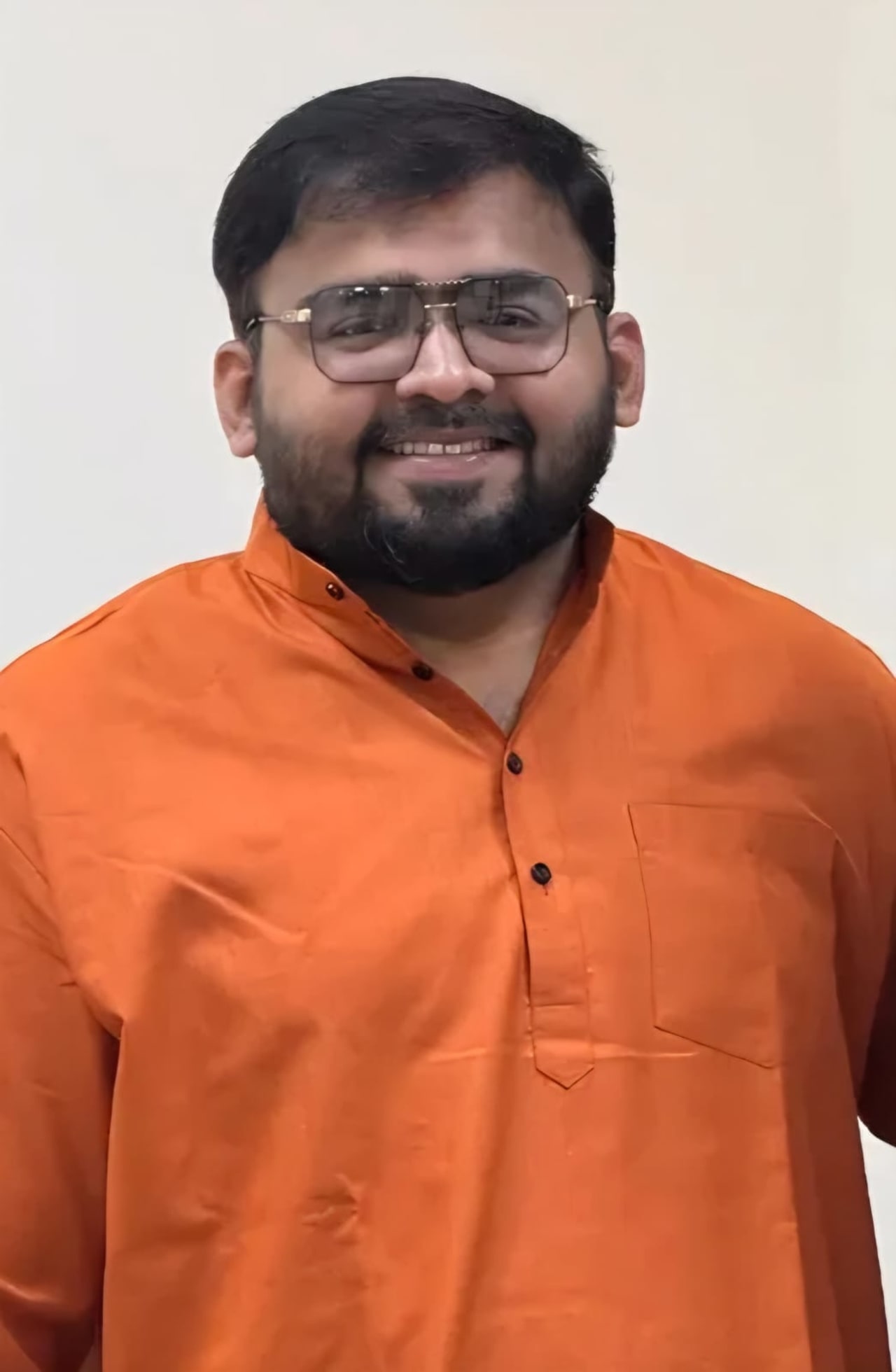
Written by
Manjunatha M Kamath
Principal of Trisha College Mangaluru